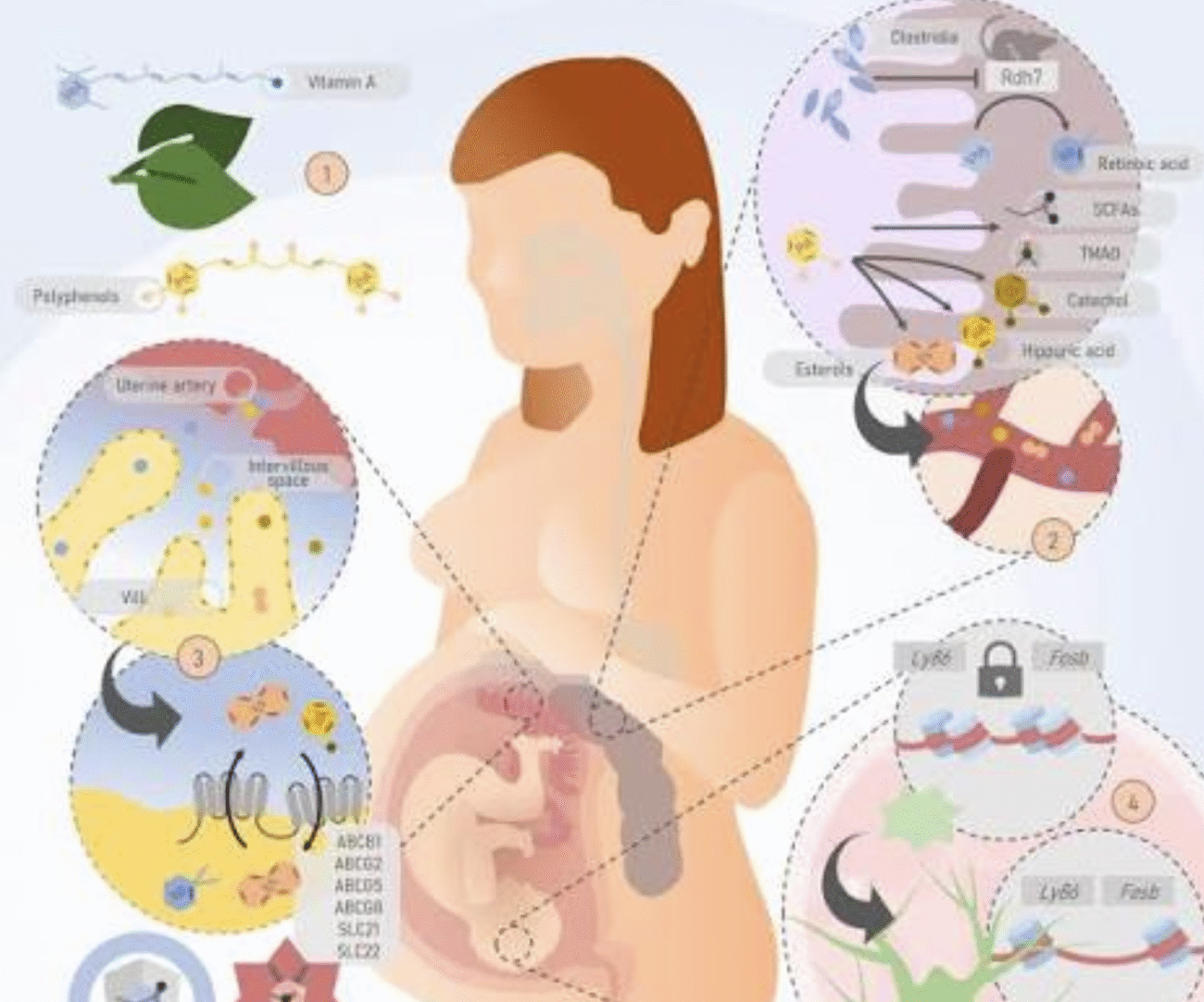
The first months of life are an important period for a baby’s growth, development, and immune system. During this time, the infant gut microbiome the community of microorganisms living in the digestive system begins to develop.
The infant gut microbiome is important because gut bacteria are involved in digestion, metabolism, and immune development. A baby’s microbiome is influenced by many factors, including the mother’s microbiome, pregnancy, mode of delivery, feeding practices, medications, and the surrounding environment.
Maternal Nutrition and the Baby’s Microbiome
A mother’s diet during pregnancy provides essential nutrients for both maternal health and fetal development. Research suggests that maternal dietary patterns may also be associated with the composition of the infant gut microbiome. A diet containing a variety of fruits, vegetables, whole grains, legumes, nuts, seeds, and other nutrient-rich foods can provide important nutrients and dietary fibers that support a healthy gut environment.
However, it is important not to assume that eating one particular food will directly create a specific type of bacteria in the baby’s gut. Microbiome development is complex, and many different maternal and infant factors work together.
Breastfeeding and Early Microbial Development
After birth, feeding becomes another important influence on the infant microbiome. Human milk contains nutrients as well as human milk oligosaccharides (HMOs), special carbohydrates that can support the growth of certain beneficial bacteria in the infant gut.
Breastfeeding is therefore one of several factors that can contribute to early microbiome development. At the same time, infant feeding choices are personal and can depend on health, circumstances, and individual needs. Mothers should receive supportive, evidence-based guidance rather than feel pressured or judged.
Antibiotics and Other Maternal Factors
The use of antibiotics during pregnancy or around delivery may also affect the infant gut microbiome because antibiotics can change bacterial communities. Some research has found associations between maternal antibiotic exposure and changes in infant microbial diversity. Nevertheless, antibiotics can be necessary and lifesaving, so they should never be avoided when medically required.
Other factors, including maternal health conditions, body weight, diabetes, medications, and probiotic use, have also been studied for their possible effects on infant microbiome development.
Supporting a Healthy Start
The main message is simple: maternal health matters. Mothers do not need to follow a perfect diet or take unnecessary supplements to support their baby’s microbiome. Instead, maintaining a balanced diet, attending regular prenatal care, managing health conditions with professional guidance, and using medications appropriately can help support a healthy pregnancy and early life.
The infant gut microbiome continues to change throughout infancy and childhood. Scientists are still learning how these early microbial communities influence long-term health. Understanding maternal influences may eventually help researchers develop better nutritional and healthcare strategies for mothers and infants.
A healthy beginning starts with supporting both mother and baby and nutrition is an important part of that journey.
Reference: Maternal influences on infant gut microbiome and health
