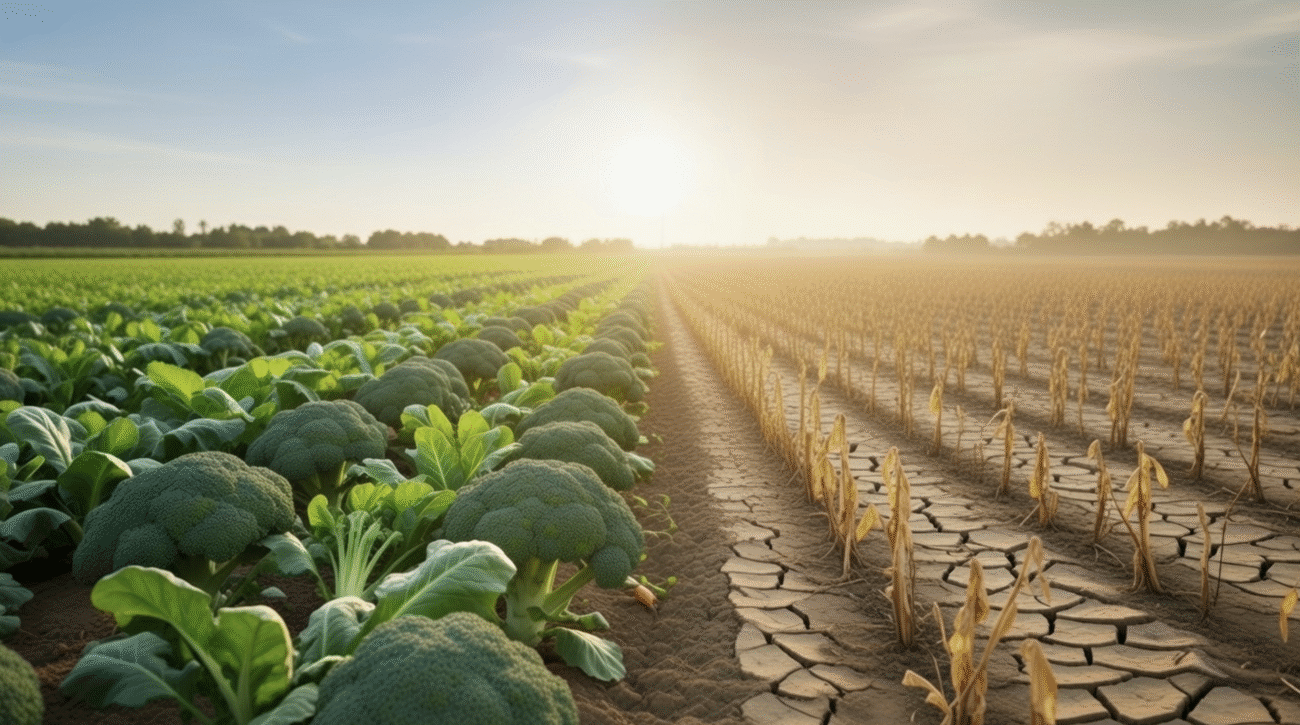
As global carbon dioxide (CO₂) levels continue to climb due to human activities, scientists are uncovering a hidden threat to the nutritional quality of our food-not just the climate impacts we hear about every day. New research shows that while higher CO₂ can boost plant growth and crop yields, it simultaneously reduces key nutrients in staple foods that billions of people rely on. This means that even if food supplies remain plentiful, what we eat may become less nutritious and potentially harmful to health over time.
How CO₂ Affects Crop Nutrition
Atmospheric CO₂ has risen from around 280 parts per million (ppm) in pre-industrial times to over 420 ppm today, and projections suggest levels could reach 550 ppm or higher by mid‑century. At these elevated concentrations, research shows that essential nutrients such as protein, iron, and zinc in major crops like rice, wheat, and legumes are declining significantly.
A major meta‑analysis covering tens of thousands of observations found that increased CO₂ leads to a shift in plant composition-boosting carbohydrates while lowering nutrient density. For example, zinc levels in some crops may drop by as much as 37.5%, and protein and iron also decrease in staples such as wheat and rice.
Why This Matters for Health
Nutrients like iron, zinc, and protein are not just “extras” in our food-they are essential for normal growth, immune function, and overall health. Deficiencies in these nutrients are already a global concern, affecting billions of people and contributing to anemia, impaired development, weakened immune systems, and other serious health issues. Studies estimate that rising CO₂ could contribute to millions more people becoming deficient in zinc and protein if nutrient declines continue unchecked.
This problem is especially acute in regions that depend heavily on plant‑based diets for their nutrition, such as parts of South Asia, Sub‑Saharan Africa, and the Middle East, where diets rely on staples like rice and wheat for the bulk of calories and micronutrients.
Bigger Yields, Poorer Quality
One of the reasons this issue has flown under the radar is that higher CO₂ does stimulate plant growth, often leading to larger crops and higher yields. However, this increase in total biomass comes with a trade‑off: a dilution of important nutrients as plants accumulate more carbohydrates but absorb fewer minerals from the soil.
In some research, elevated CO₂ also altered the nutritional balance, increasing non‑nutritive components like carbohydrates while decreasing proteins and vital minerals. This could worsen health concerns such as “hidden hunger”, where people get enough calories but not enough nutrients from their food.
What Can Be Done?
Addressing this nutrient decline requires a multi‑pronged approach:
- Breeding or engineering crop varieties that are less sensitive to CO₂‑induced nutrient losses.
- Improving fertilization and soil management practices to boost nutrient uptake.
- Strengthening nutrition programs and diversifying diets to reduce reliance on a few staple crops.
Crucially, reducing global CO₂ emissions remains fundamental-not only to slow climate change but to protect the nutritional value of our food system as well.
