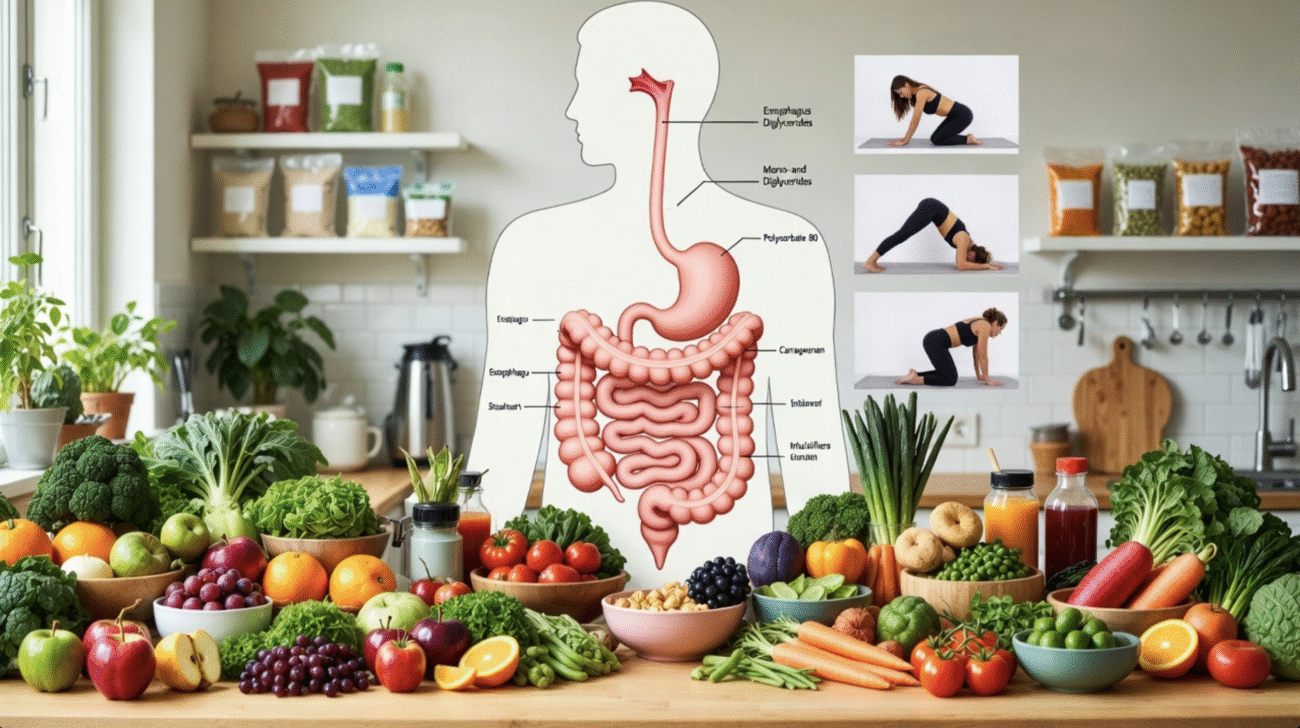
Every day, we enjoy foods like ice cream, bread, salad dressings, and chocolate without giving much thought to the tiny ingredients tucked into their labels. But a growing body of scientific research is now pointing to a surprising culprit hidden in these familiar foods: emulsifiers additives designed to improve texture and shelf life that may be quietly affecting our gut health.
Emulsifiers are chemical compounds used in thousands of processed foods to help blend ingredients like oil and water that would not naturally combine. While they play a vital role in making foods look appealing and last longer on supermarket shelves, emerging science suggests they may have unintended consequences on the gut microbiome the complex ecosystem of microbes that plays a critical role in digestion, immunity, and overall well-being.
What Recent Research Shows
A landmark study from the Institut Pasteur found that when mother mice consumed emulsifier-containing diets, it altered the gut microbiota of their offspring from the earliest weeks of life. These changes interfered with immune system development and led to higher risks of chronic inflammation and obesity in adulthood even though the offspring were never directly exposed to the additives themselves.
Other research has found that specific emulsifiers like carboxymethylcellulose (CMC) and polysorbate 80 can significantly disrupt the balance of gut bacteria, promoting inflammatory activity and weakening the protective barrier of the intestines. A randomized clinical study also showed that diets high in emulsifiers lowered beneficial short-chain fatty acids key compounds that support gut barrier function and overall digestive health – while potentially increasing intestinal permeability.
Why Gut Health Matters
Your gut isn’t just responsible for digestion it’s central to immune function, metabolic health, and even mood regulation. Disruption of the gut microbiome, known as dysbiosis, has been linked to a range of chronic conditions, including inflammatory bowel disease (IBD), type 2 diabetes, and metabolic syndrome. Moreover, recent large-scale studies have associated high intake of emulsifier-rich ultra-processed foods with increased risks of cardiovascular disease and long-term metabolic disorders.
Balancing Enjoyment and Awareness
It’s important to emphasize that current research especially in humans is still evolving. Not all emulsifiers have the same effect, and some may be less disruptive than others. However, the trend is clear: added food chemicals may not be as benign as once thought, especially when consumed frequently through highly processed diets.
How to Protect Your Family in 2026
To support long-term gut health, consider:
- Choosing whole and minimally processed foods: Focus on fruits, vegetables, whole grains, and natural proteins.
- Reading labels carefully: Look for products with shorter ingredient lists and fewer artificial additives.
- Prioritizing homemade meals when possible, reducing reliance on ultra-processed items.
As science continues to shed light on the long-term effects of emulsifiers, educating yourself and making mindful food choices can be one of the most impactful steps you take for your family’s health in 2026 and beyond.
