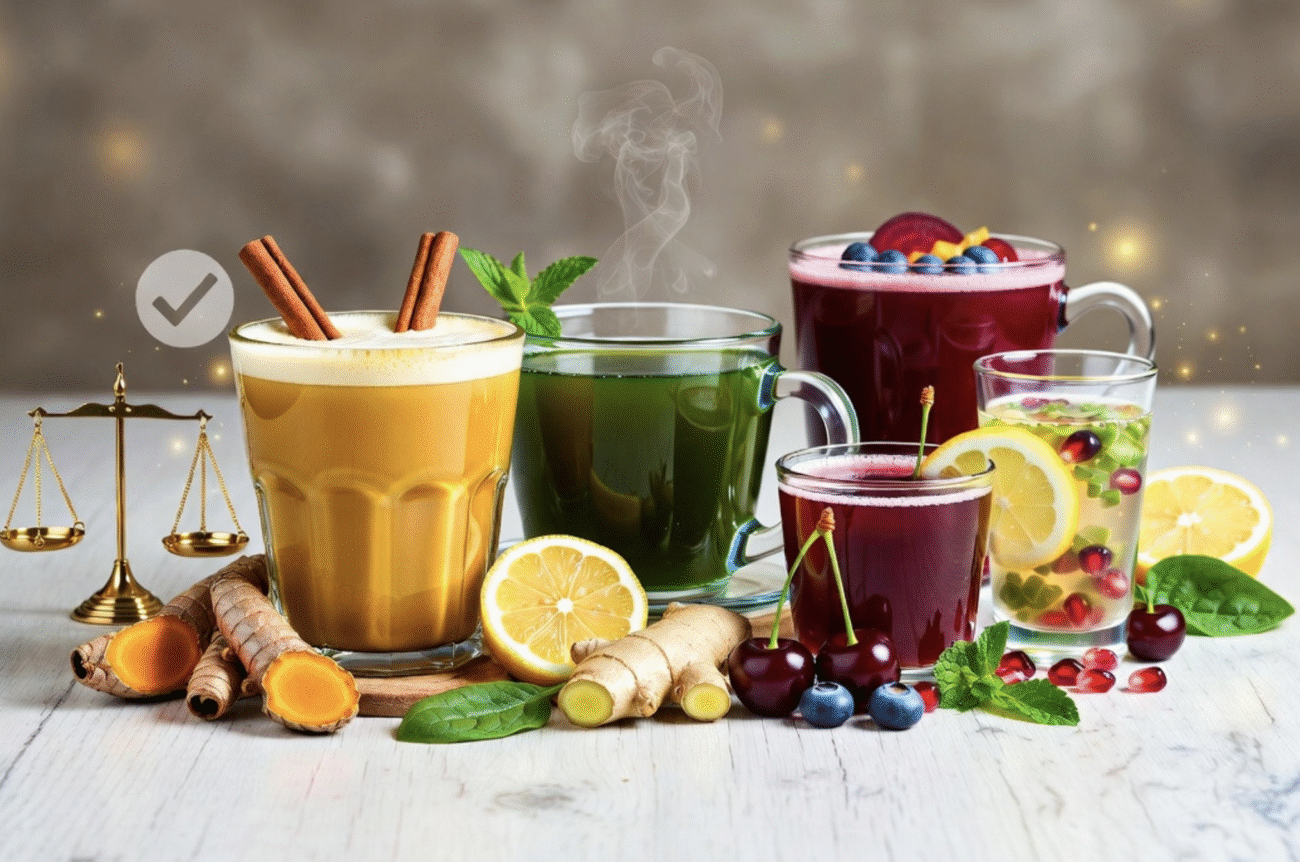
From turmeric lattes to green tea elixirs, anti-inflammatory drinks are dominating the wellness scene in 2026. Marketed as quick fixes for everything from bloating to chronic disease, these beverages promise big health benefits in a glass. But what does science actually say? Are they a powerful wellness tool or just another health trend?
Why Inflammation Is a Big Deal
Inflammation isn’t always bad it’s your body’s natural defense system. But when it becomes chronic, it’s linked to serious conditions like heart disease, diabetes, and autoimmune disorders.
This growing global health concern has fueled demand for functional beverages packed with anti-inflammatory compounds like polyphenols, flavonoids, and curcumin.
What’s Inside These “Super Drinks”?
Most anti-inflammatory drinks contain natural, plant-based ingredients known for their bioactive properties:
- Turmeric (curcumin) – reduces inflammatory markers
- Ginger – helps lower inflammatory chemicals in the body
- Green tea (matcha) – rich in antioxidants like catechins
- Berries & tart cherry – high in anthocyanins
- Kombucha & fermented drinks – support gut health
Research shows these compounds may help reduce oxidative stress and support immune function.
Recent nutrition coverage also highlights that drinks like green tea and tart cherry juice can help with inflammation, muscle recovery, and even sleep quality.
The Real Benefits (Backed by Science)
There are real benefits but they’re often modest, not magical.
Studies suggest anti-inflammatory drinks may:
- Improve digestion and gut health
- Reduce mild inflammation and joint discomfort
- Support heart and metabolic health
- Provide antioxidants that protect cells
For example, tart cherry juice has been shown in small studies to reduce gut inflammation and improve symptoms in certain conditions.
Similarly, herbal drinks like saffron tea may help with mood and oxidative stress, though effects are generally mild.
The Catch: Why They’re Not a Miracle Cure
Here’s where the hype gets ahead of the science.
Despite growing popularity, research shows that:
- Many drinks contain low levels of active compounds
- The body may absorb these compounds poorly
- Long-term clinical evidence is still inconsistent
In fact, a 2026 scientific review found that while functional beverages are promising, their real-world impact often falls short of marketing claims.
There’s another issue:
Some packaged “health drinks” contain added sugars, which can actually increase inflammation.
Whole Foods vs Trendy Drinks
Experts consistently agree on one key point:
Whole-food diets beat trendy drinks.
Patterns like the Mediterranean or plant-based diet provide a broader range of anti-inflammatory nutrients, fiber, and long-term health benefits.
Anti-inflammatory drinks can support your diet but they shouldn’t replace real food.
