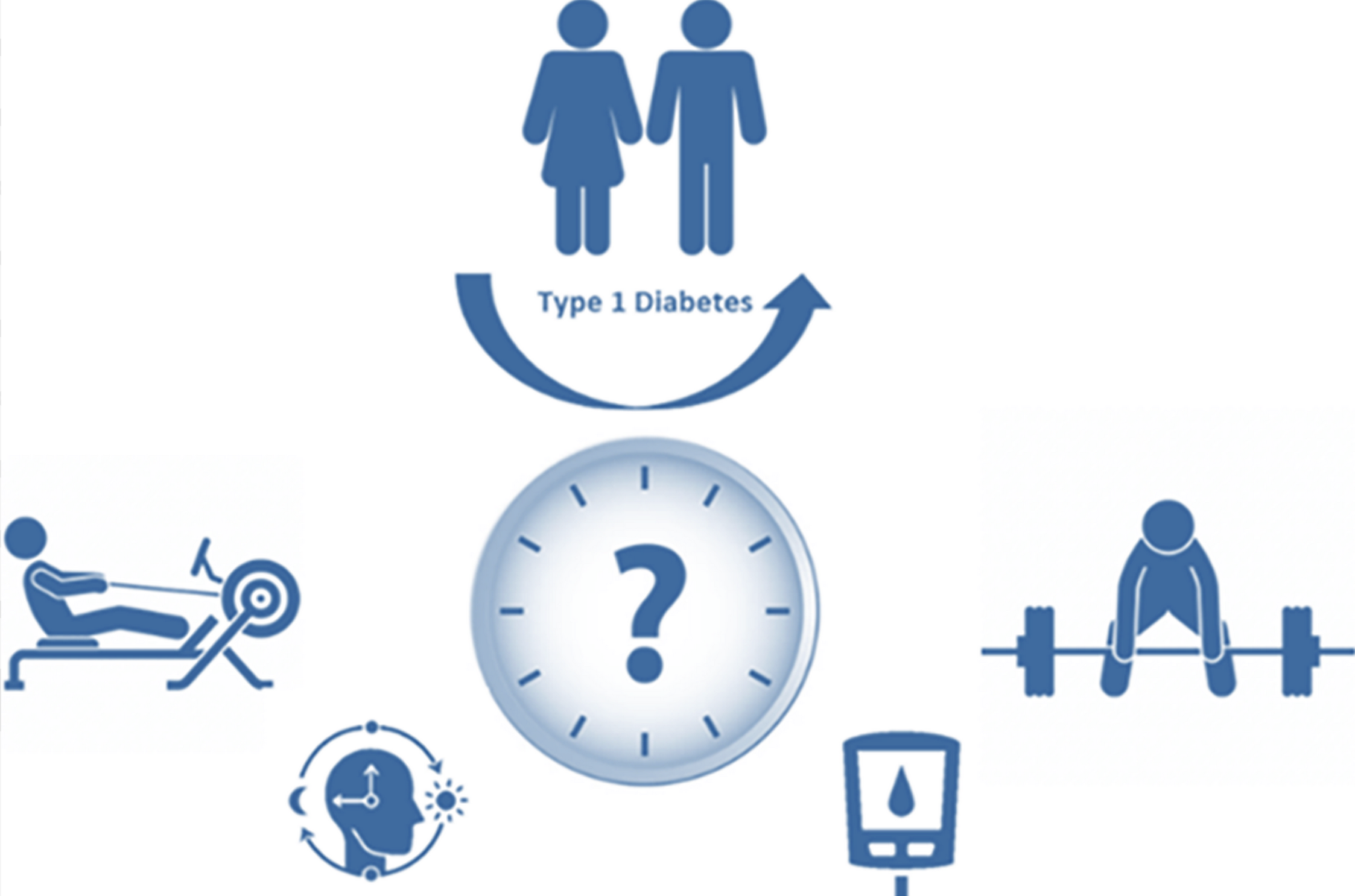
In the world of fitness and health, one message has long dominated: just exercise regularly. But emerging science is now adding a powerful twist the timing of your workout could be just as important as the workout itself, especially for people living with type 2 diabetes.
A recent 2026 review published in Trends in Endocrinology & Metabolism highlights how exercise timing interacts with the body’s circadian rhythm our internal biological clock to influence metabolism, insulin sensitivity, and blood sugar control.
The Science Behind Timing and Metabolism
The human body runs on a 24-hour internal clock known as the circadian rhythm, which regulates sleep, hormones, digestion, and energy use.
In people with type 2 diabetes, this rhythm is often disrupted, leading to poor glucose regulation, insulin resistance, and metabolic imbalance.
Here’s where exercise becomes powerful:
Physical activity acts as a “time cue” that can help reset and align this internal clock.
Morning vs Evening Workouts: What’s Better?
The latest research suggests that not all workout times deliver the same metabolic benefits.
- Afternoon or evening exercise may lead to better blood sugar control and improved insulin sensitivity
- The body’s response to glucose changes throughout the day, meaning workouts later in the day can help counter rising insulin resistance
- Exercising after meals especially after lunch can significantly reduce blood sugar spikes
Supporting studies have also found that afternoon workouts improve long-term glucose markers like HbA1c more effectively than morning sessions.
Why Timing Makes a Difference
So why does timing matter so much?
It comes down to how your body functions across the day:
- Hormones fluctuate based on time (like cortisol and insulin)
- Muscle glucose uptake varies depending on circadian signals
- Metabolism slows or speeds up depending on biological timing
In type 2 diabetes, these rhythms are often misaligned. Strategically timed exercise can help “retrain” the body’s metabolic system, improving how it processes sugar and energy.
Personalized Fitness: The Future of Diabetes Care
Another key insight from the research is that there is no one-size-fits-all timing.
Some individuals respond better to morning workouts, while others benefit more from evening sessions. This depends on your chronotype -whether you’re naturally a “morning person” or “night owl.”
Studies show that aligning exercise with your personal body clock leads to better glucose control, improved cholesterol levels, and overall metabolic health.
Reference: Exercise timing and circadian regulation of metabolism in type 2 diabetes
