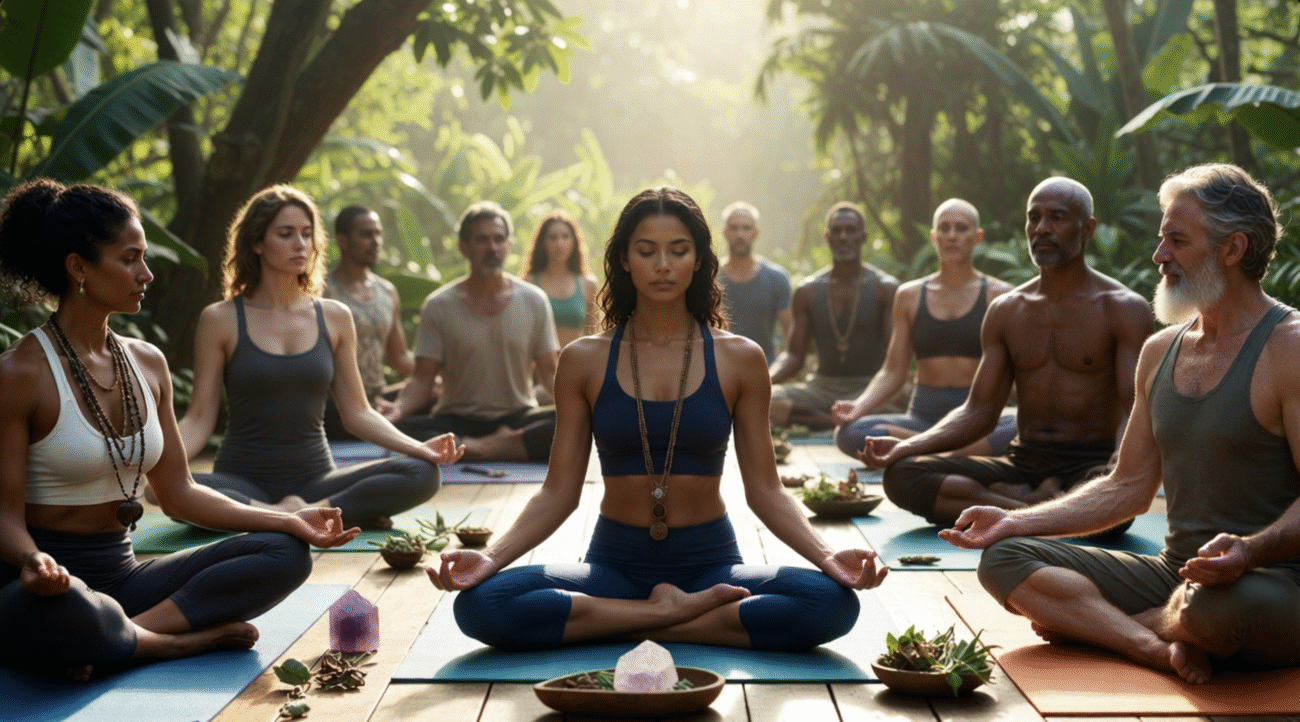
In an age where chronic diseases, mental stress, and lifestyle imbalances are on the rise, the world is turning back to ancient wisdom to find sustainable health solutions. Traditional health systems such as Ayurveda, yoga, and Traditional Chinese Medicine (TCM) are not only surviving they’re being embraced by modern science, global health policy, and everyday wellness seekers. From major world health forums to grassroots wellness movements, traditional practices are reshaping how societies approach health and well-being.
A Global Health Shift: From Treatment to Prevention
The renewed interest in traditional health systems stems from a growing recognition that modern medicine alone cannot address every dimension of health. Traditional medicine emphasizes holistic well-being, focusing on the interconnectedness of body, mind, and environment an approach that aligns with current research linking lifestyle, diet, and mental health to long-term wellness. This shift reflects a broader global movement toward preventive rather than purely curative healthcare.
In fact, the World Health Organization’s Global Summit on Traditional Medicine in December 2025 marked a turning point. The summit drew health ministers, scientists, and Indigenous leaders from over 100 countries, setting a new agenda for how traditional health practices can be integrated safely and scientifically into mainstream health systems. One major outcome was the launch of a Traditional Medicine Global Library packed with 1.6 million scientific records an unprecedented move to bridge ancient knowledge with rigorous evidence.
Evidence and Integration: Bridging Tradition and Science
Critically, the dialogue around traditional wellness is no longer limited to cultural fascination. Policymakers and researchers are calling for robust scientific validation of traditional methods to ensure safety and effectiveness. Although less than 1% of global health research funding currently goes to traditional medicine, global strategies are now prioritizing evidence generation for integration into universal health coverage.
Take Ayurveda, for example. Once viewed by many as folklore, it is increasingly supported by research demonstrating benefits in areas like stress reduction, immune support, and chronic disease management. Studies now validate compounds like ashwagandha for stress reduction and triphala for digestive health bringing ancient herbal wisdom into modern clinical conversations.
Similarly, Traditional Chinese Medicine is undergoing a digital transformation, with AI and smart technologies helping translate age-old diagnostic and treatment principles into accessible daily wellness tools. These innovations allow TCM to fit into contemporary lifestyles while retaining cultural depth.
Global Adoption and Cultural Exchange
It’s not just scientists and policymakers who are taking note. Wellness consumers around the world especially Millennials and Gen Z seek products and practices that resonate with their values: personalization, natural solutions, and cultural authenticity intertwined with scientific backing. This trend is expanding wellness tourism, driving collaborations between nations, and transforming ancient traditions like yoga and Ayurveda into global health assets.
Countries are increasingly collaborating to share research, regulatory frameworks, and wellness innovations. Such cross-cultural engagement not only promotes better health but also protects Indigenous knowledge systems and biodiversity, ensuring that traditional practices evolve responsibly in the modern world.
The Future of Health Is Holistic
As global health systems grapple with persistent health challenges and rising costs, integrating traditional and modern healthcare could offer a balanced, inclusive, and culturally meaningful path forward. From ancient herbal therapies and mindful movement to cutting-edge digital research libraries, the fusion of tradition with science is empowering individuals and nations alike to redefine what it means to be healthy in the 21st century.
