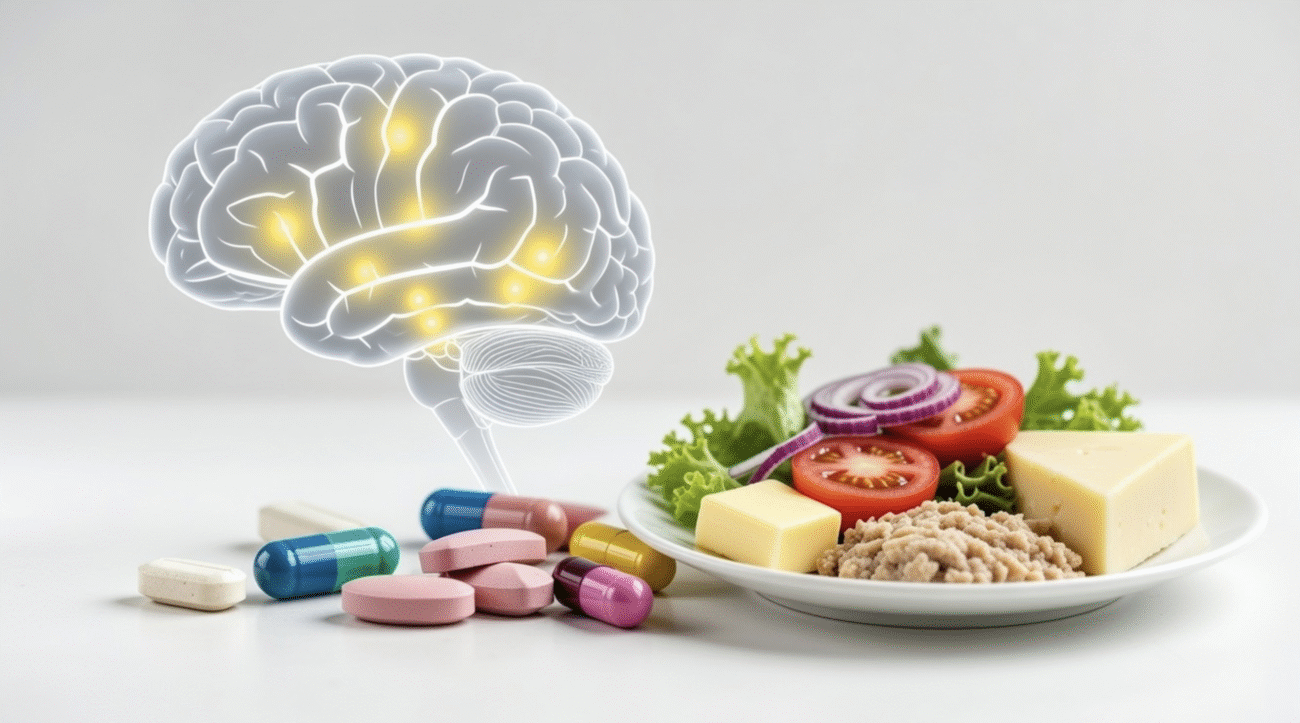
For decades, dietary advice has leaned heavily toward low-fat foods in the name of heart health – but new science suggests we may have underestimated the role of full-fat dairy in brain health. A sweeping long-term study published in Neurology in late 2025 found that eating certain full-fat dairy like cheese and cream was associated with a lower risk of dementia – challenging long-held assumptions about fat and cognitive decline.
A Surprising Link Between Full-Fat Dairy and Dementia Risk
Researchers followed 27,670 adults in Sweden for about 25 years, tracking their diets, health status, and dementia outcomes. Participants who consumed at least 50 g of high-fat cheese daily – roughly two slices of cheddar or half a cup of shredded cheese – had a 13 % lower risk of developing dementia compared with those who ate less. Even more striking, those same people saw a 29 % lower risk of vascular dementia, a form linked to blood flow problems in the brain.
Similarly, consuming 20 g or more of high-fat cream each day – about one to two tablespoons was associated with a 16 % reduced dementia risk compared with people who didn’t eat cream at all.
It’s important to note that low-fat dairy products including low-fat cheese, milk, butter, yogurt, and fermented milk – did not show these associations, suggesting that something specific to full-fat varieties may be at play.
Why Might Full-Fat Dairy Support Brain Health?
Scientists aren’t yet sure why these associations appear, and they caution that correlation doesn’t prove causation. However, several hypotheses are emerging:
- Fat-Soluble Nutrients: Full-fat cheeses are rich in nutrients like vitamins A, D, and K2, which play roles in immune function, inflammation regulation, and possibly neurological processes.
- Minerals and B Vitamins: Cheese also provides vitamin B12, zinc, selenium, and folate, all of which are linked to cognitive function in other research.
- Complex Food Matrix: Some nutrition scientists believe that the specific structure and composition of cheese and cream including how fats and proteins interact – might influence metabolism and vascular health in ways that support brain function.
These benefits may be part of a broader pattern in which certain whole foods even those once labeled “unhealthy” have context-dependent effects that differ from simplified nutrient-by-nutrient thinking.
Proceed With Caution: What Experts Say
While these findings are exciting, experts emphasize that full-fat dairy should not be interpreted as a “magic bullet” for dementia prevention. The study was observational, meaning it found associations but cannot prove that cheese caused lower dementia risk. Other lifestyle factors – like physical activity, education, and overall diet quality – also significantly influence brain health.
Moreover, full-fat dairy is high in saturated fat and calories, so moderation remains key, especially for people with cardiovascular risk factors. Health professionals generally recommend that any inclusion of full-fat dairy be balanced within a diet rich in whole foods, vegetables, lean proteins, and healthy fats.
The Takeaway: Cheese and Brain Health – Worth Exploring
The idea that butter, cheese, and cream could play a role in protecting brain health is both surprising and intriguing. While more research is needed to confirm these findings and understand the mechanisms behind them, 2025’s long-term study adds fresh nuance to how we think about dietary fats and cognitive aging.
For now, if you enjoy full-fat dairy, there may be scientific reasons to savor it – in moderation and as part of a balanced diet. Just don’t skip your walk or your greens – brain health is about the whole lifestyle, not just one food.
