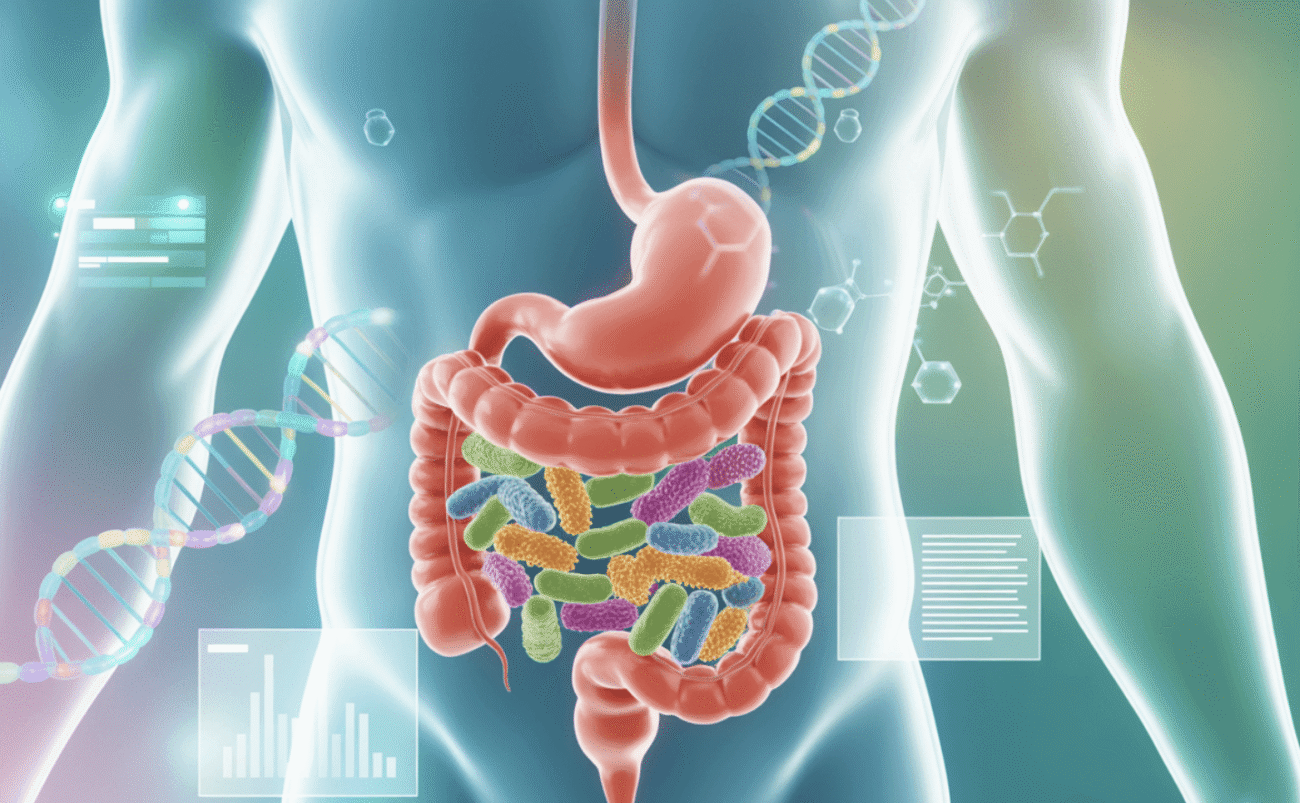
A major new scientific breakthrough is reshaping how we understand the relationship between genetics, gut microbes, and our social environment – with surprising implications for human health and future medicine.
In a large and rigorous genetic study just published in Nature Communications, researchers have uncovered compelling evidence that an individual’s genes don’t just influence their own gut microbiome – they also affect the microbiome of their social partners. That means your genetic makeup could impact the very trillions of microbes living inside someone else – a finding that challenges long-held assumptions in biology and opens new doors for personalized health research.
The Microbiome: More Than a Personal Fingerprint
The gut microbiome – the complex universe of bacteria, viruses, and other microscopic life in the intestinal tract – plays a pivotal role in digestion, immunity, and even mood. Scientists have known for years that factors like diet, medication, and lifestyle shape these microbial communities. But understanding precisely how our genes influence this invisible ecosystem has been incredibly challenging, especially in humans, where environmental and social variables are hard to isolate.
To tackle this, an international team of scientists analyzed over 4,000 genetically diverse rats living in four different controlled environments. By studying multiple populations exposed to distinct conditions, the researchers were able to isolate the true impact of genetics on the gut microbiome – providing a clarity rarely achieved in human studies.
Consistent Genetic Influence Across Environments
One of the most striking findings of the study is that host genetic effects on the microbiome were consistent across different environments. This means that the influence of a rat’s DNA on its microbial communities was reliably detectable, even when diets, housing, and conditions varied.
The scientists identified three specific genetic regions (loci) that were linked with the abundance of particular gut microbes – including one involving a gene related to immune functions. What’s more, similar genetic associations were also found in human cohorts, hinting at broader relevance beyond rats.
Your Social Circle Matters – Genetically Too
Perhaps the most astonishing discovery was the presence of what the team calls “indirect genetic effects.”
In simple terms: the genes of rats living in the same cage influenced each other’s gut microbiomes, even if those genes weren’t present in the host individual. That means a rat’s microbiome was shaped not only by its own DNA, but also by the genetic makeup of its cage mates.
This discovery suggests that our social environment – who we live or interact with – may carry a genetic influence on our internal microbial world. While this study was in rats, scientists believe a similar phenomenon could be at play in humans – especially within families or communities with close contact.
Solving the Puzzle of “Missing Heritability”
For decades, researchers have grappled with the concept of missing heritability – the observation that genetic factors explain only a fraction of inherited traits. This new research provides a fascinating clue: indirect genetic effects could be part of what’s been missing from our models.
By demonstrating that social genetic influence can contribute substantially to microbiome variation, the study calls for a fresh look at how genetic and environmental factors intertwine – not in isolation, but as part of a dynamic, interactive ecosystem.
Why This Matters for Human Health
Beyond advancing basic science, these findings have real potential implications:
- Personalized medicine: Understanding how genetics and social genetic effects influence the microbiome could refine how we tailor treatments for metabolic, immune, or gastrointestinal diseases.
- Public health: The idea that our social contacts might affect our microbial health adds a new dimension to disease prevention strategies.
- Evolutionary biology: These results hint at deeper evolutionary interactions between host genetics, behavior, and microbiomes across species.
Reference:
