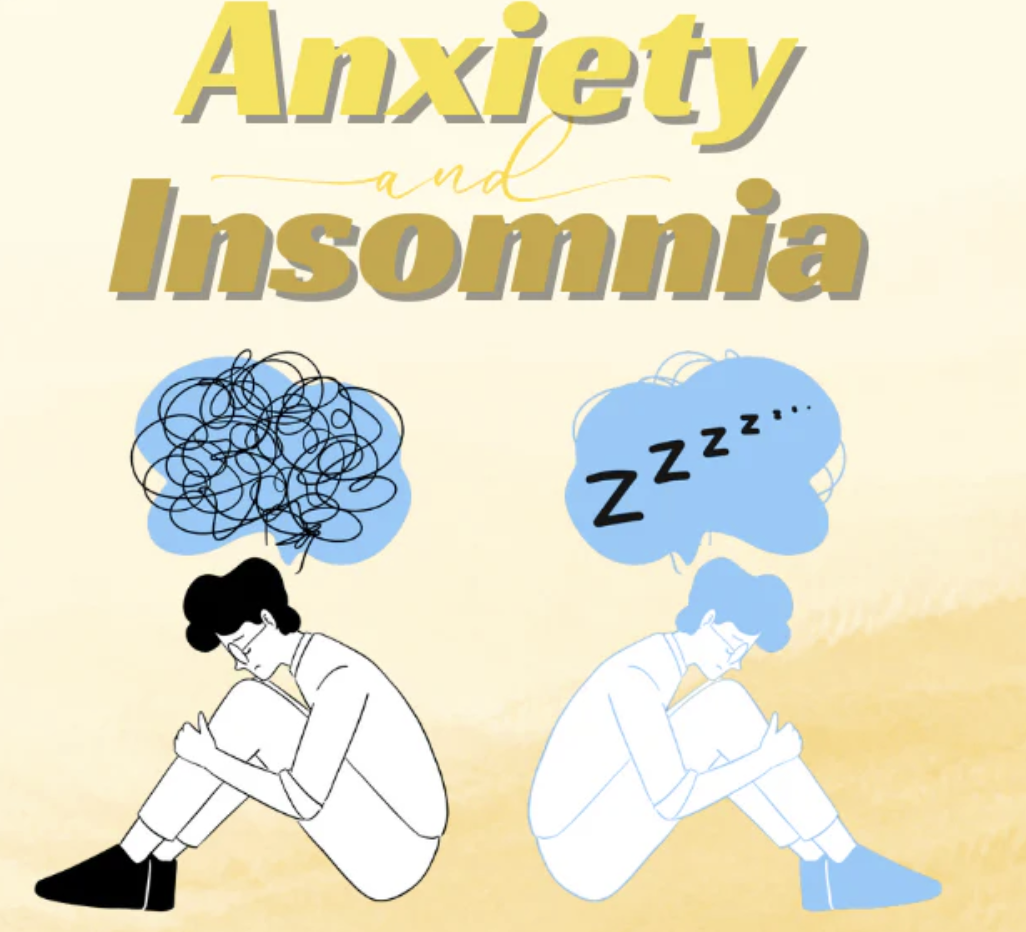
A striking new study has shed light on how common psychological challenges-anxiety and insomnia-may be silently affecting the immune system in young women, potentially weakening the body’s natural defenses against infections and disease.
While stress and sleep trouble are often dismissed as “just life,” scientists now warn these conditions might reach deeper into health than previously thought-right into the heart of our immune surveillance system.
The Study: Mind Meets Immunity
Researchers from Taibah University in Saudi Arabia recruited 60 healthy female students (ages 17–23) to explore how insomnia and anxiety associate with immune cell populations, focusing on natural killer (NK) cells, vital immune defenders that patrol our bloodstream for virus-infected and abnormal cells.
Participants completed validated questionnaires for anxiety (the GAD-7 scale) and sleep quality, and scientists analyzed their blood samples to measure immune cell counts and NK cell subpopulations using flow cytometry.
Alarming Findings: Lower NK Cells Linked with Anxiety and Poor Sleep
The results were eye-opening:
- Three-quarters of the women reported symptoms of generalized anxiety, and more than half suffered from poor sleep or insomnia.
- Participants with higher anxiety scores also showed significantly lower numbers of circulating NK cells and their key functional subsets.
- Notably, among women experiencing insomnia, higher anxiety was closely tied to even fewer NK cells in the bloodstream-suggesting that poor sleep may compound the impact of anxiety on immune function.
These immune changes matter because NK cells play a crucial role in early defense against infections, inflammation, and even cancerous transformation. A deficiency here could mean a less prepared immune system when the body needs it most.
Understanding the Biological Link
Why would a restless mind and sleepless nights curb immune strength?
Experts point to stress-related hormones like cortisol, which spikes with anxiety and chronic stress. Cortisol is known to dampen immune activity and may suppress NK cell numbers and function when persistently elevated.
Combined with disrupted sleep-which itself is essential for immune regulation-these factors might form a two-pronged attack on immune resilience, especially in women whose physiological stress responses may differ from men’s.
What This Means for Young Women’s Health
The study’s authors highlight that anxiety and insomnia are not just “mental health issues”-they are systemic problems with wide-ranging physical effects.
Given the rising rates of anxiety and poor sleep reported globally, especially among adolescent and young adult women, these findings raise critical questions about long-term immune resilience and susceptibility to disease later in life.
Limitations and What’s Next
While compelling, this research is a cross-sectional snapshot, meaning it captures association rather than causation. The study also focused on a specific group-young female students-which limits how widely we can generalize the findings.
Future research will need larger and more diverse populations, including men and older adults, and ideally monitor immune changes over time to better understand the cause-and-effect pathways between mental stress, sleep disruption, and immune function.
A Wake-Up Call for Holistic Health
This study adds powerful evidence to a growing narrative: your mental health and sleep quality matter deeply to your physical immunity. What happens in the mind doesn’t stay in the mind-it resonates throughout the body.
Understanding and addressing anxiety and sleep disturbance isn’t just about feeling better-it may be a crucial step toward maintaining a strong, resilient immune system that protects you at every age.
