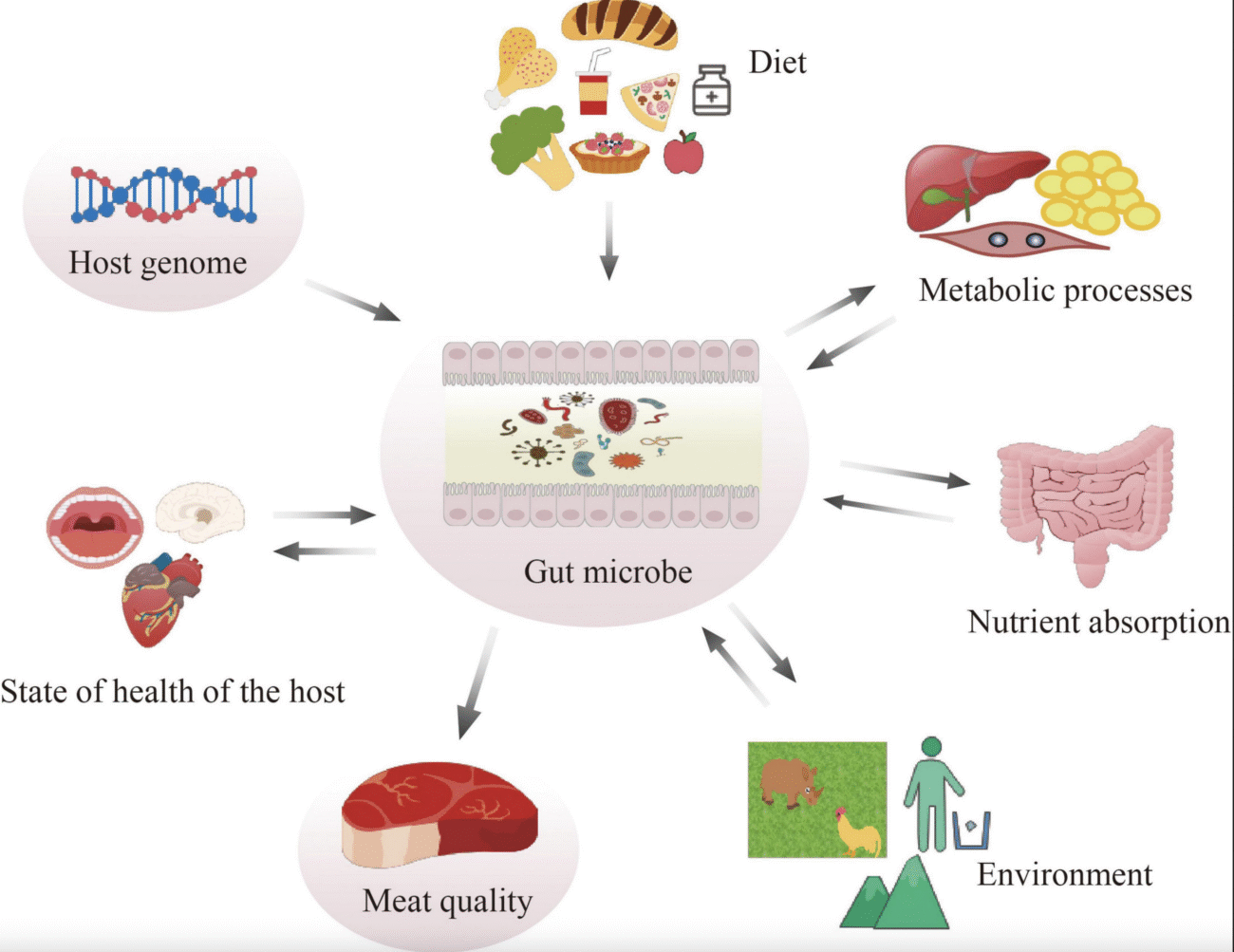
An international team of scientists has delivered one of the most extensive analyses yet of the human gut microbiome and its relationship with diet, body health markers, and cardiometabolic disease risk. The study draws on data from more than 34,000 participants across the United States and the United Kingdom, bringing unprecedented statistical power to exploring how gut microorganisms correlate with nutrition and health outcomes.
A New Microbiome Health Ranking System
To make sense of the complex data, the researchers developed the ZOE Microbiome Health Ranking 2025 – a system that orders gut microbial species based on how strongly each is associated with indicators of good or poor health. These include measures like:
- Body Mass Index (BMI)
- Blood glucose and HbA1c
- Lipid levels (cholesterol, triglycerides)
- Inflammatory markers
All paired with detailed dietary records.
Using advanced machine learning, the team linked hundreds of microbial species to these health markers and diet patterns. They identified the 50 species most favorably associated with healthy profiles and the 50 most unfavorably associated, creating a ranked spectrum of microbiome health associations.
What the Rankings Reveal
Some key takeaways from the analysis:
- Favourable microbes tended to be more abundant in individuals with lower BMI and better metabolic profiles.
- Unfavorable microbes were more common in people with higher disease risk scores.
- The rankings were reproducible across more than 7,800 additional public microbiome samples, demonstrating robustness.
Interestingly, many top favorable species are still poorly understood or not yet cultured in the lab, highlighting how much remains to be learned about the beneficial roles of gut microbes.
Diet Influences Microbiome Composition
To test whether diet changes influence the abundance of ranked microbes, the study also examined data from nearly 750 people in controlled dietary intervention trials. Over time, species that ranked favorably tended to increase in participants’ gut microbiomes, while unfavorable species decreased – suggesting that diet can shape microbiome composition in directions linked with healthier markers.
A Tool for Future Research
While this study shows strong associations between microbial species, diet quality and health indicators, the authors caution that causality cannot yet be established without long-term, controlled clinical trials. Still, the new ranking system provides a powerful framework for future work exploring how specific microbes might influence – or be influenced by – diet and disease processes.
Researchers hope the ZOE Microbiome Health Ranking 2025 will become a resource for scientists and clinicians investigating precision nutrition, gut health interventions, and strategies to prevent cardiometabolic disease.
Reference : Gut micro-organisms associated with health, nutrition and dietary interventions
