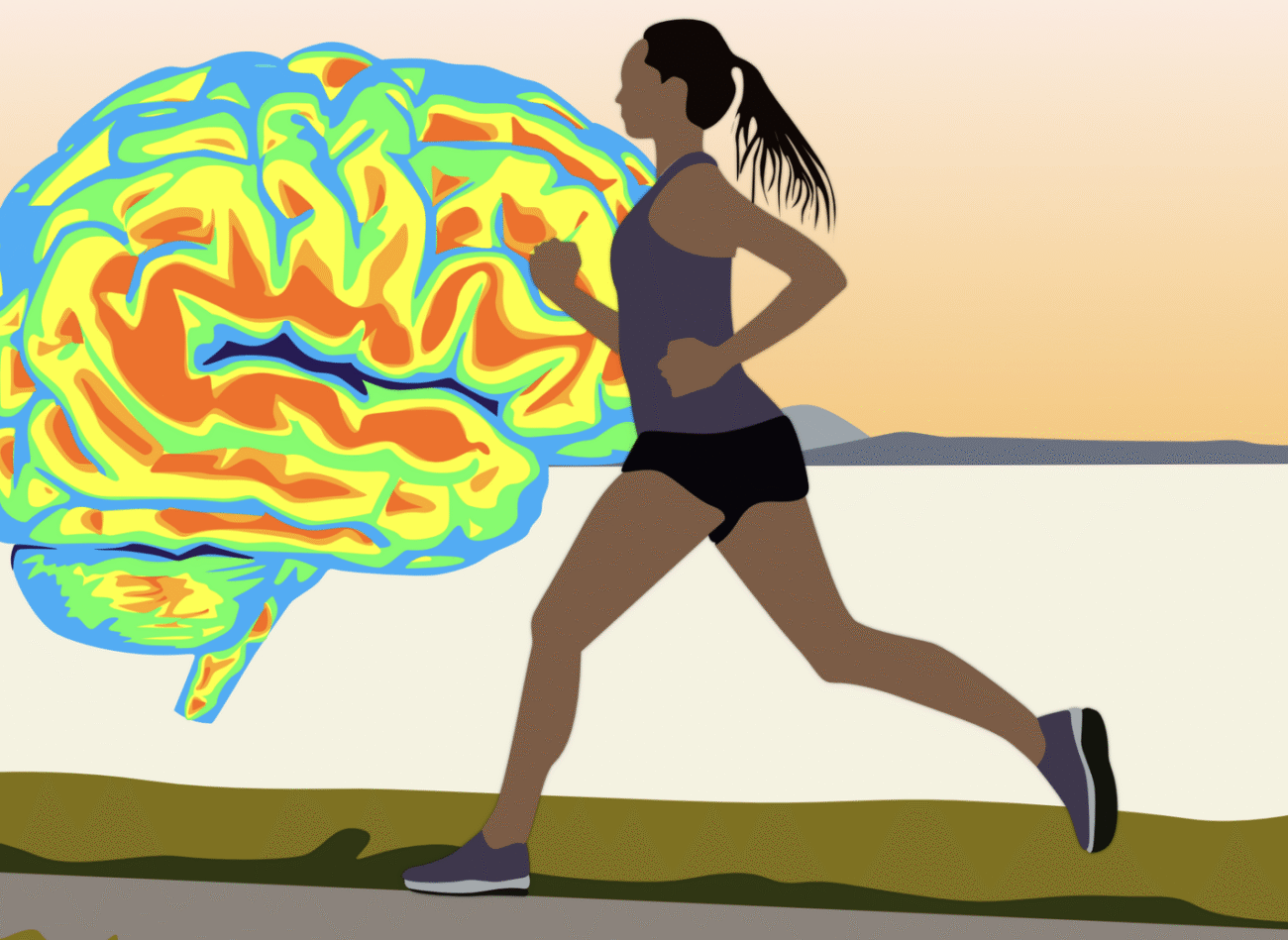
Exercise is often associated with physical fitness, but its benefits go far beyond building muscle or burning calories. Scientific research consistently shows that regular movement is one of the most powerful tools for improving both brain and body health. From sharpening memory to strengthening the heart, movement is essential for a longer, healthier, and more resilient life.
Exercise: A Whole-Body Medicine
When you move your body, every major system responds. Your heart pumps more efficiently, your lungs deliver more oxygen, and your muscles release signaling molecules called myokines that reduce inflammation and support cellular repair. Exercise acts like a natural medicine-one that works preventively and therapeutically at the same time.
Brain Health: Movement Fuels the Mind
Physical activity directly improves brain function. Exercise increases blood flow to the brain, delivering oxygen and nutrients that support neuron health. It also stimulates the release of brain-derived neurotrophic factor (BDNF), a protein that helps grow new brain cells and strengthen neural connections.
Regular movement has been linked to:
- Improved memory and learning
- Better focus and mental clarity
- Reduced risk of cognitive decline and dementia
- Faster reaction times and problem-solving skills
In essence, exercise helps the brain stay young and adaptable.
Mental Health and Emotional Balance
Exercise is one of the most effective natural treatments for stress, anxiety, and depression. Movement triggers the release of endorphins, dopamine, and serotonin-chemicals that improve mood and promote a sense of well-being. It also lowers cortisol, the body’s primary stress hormone.
Even moderate activities like walking or stretching can:
- Reduce symptoms of anxiety and depression
- Improve sleep quality
- Boost self-esteem and emotional resilience
Physical Health: Strength, Endurance, and Longevity
Regular exercise strengthens the cardiovascular system, lowers blood pressure, and improves cholesterol levels. Weight-bearing and resistance movements increase bone density and muscle mass, reducing the risk of osteoporosis and injury as you age.
Key body benefits include:
- Better blood sugar control and insulin sensitivity
- Stronger muscles and joints
- Reduced inflammation and chronic disease risk
- Improved balance and mobility
Exercise and the Immune System
Moderate, consistent physical activity enhances immune function by improving circulation and helping immune cells move more efficiently throughout the body. People who exercise regularly tend to experience fewer infections and recover faster when they do get sick.
Movement Beyond the Gym
Exercise doesn’t have to mean intense workouts. Daily movement standing more, stretching, walking, dancing, or doing household activities, also contributes to better health. The body and brain thrive on variety and consistency, not perfection.
How Much Exercise Is Enough?
Health experts generally recommend:
- At least 150 minutes of moderate aerobic activity per week
- Strength training two or more days per week
- Daily mobility or stretching for joint and nervous system health
Even small increases in activity can lead to meaningful improvements.
Exercise is one of the most powerful ways to enhance both brain and body health. It strengthens the heart, sharpens the mind, stabilizes mood, and supports long-term vitality. Whether it’s a brisk walk, a strength workout, or gentle stretching, every movement counts. When you move your body, you invest in a healthier brain-and a better life.
